Why Your Smartphone Masterpiece Sounds Like a Garbage (and How to Fix It)
Cast your mind back to 2012. You’re sitting front row, popcorn in hand, waiting for the movie to start. Suddenly, the epic sounds of Hans Zimmer roar into life and you’re presented with the extended prologue trailer for The Dark Knight Rises. But your smile turns to a squint as you lean forward, desperately trying to make out Tom Hardy’s dialogue over the roar of plane engines. The uproar over Bane’s voice was so loud it forced Christopher Nolan to sharpen the audio for the final release.
Check out the difference below. In hindsight looking back it isn’t the worst but it’s a sign that an audience is all on board for how something looks but it’s how it sounds that might be the deal breaker.
Now, imagine you’re presented with two short films. The first has stunning, cinematic visuals, but the dialogue is muffled, echoey, and full of distracting background noise. The second is shot on a simple camera, maybe a phone, maybe even a little out of focus, but the audio is crystal clear, rich, and present. Which one would you rather keep watching? If you said the first one, then perhaps you need to get your hearing checked 🙂 For most other people it’s the second one, the good sound. After all you can explain away bad imagery has a stylistic choice, but bad sound!! That just seems like poor filmmaking.
After 9 years and 1000s of films reviewed here at the festival there are several common trends we have noticed with submission. Sure, its mobile filmmaking so it’s easy to focus on was how they looked. Often times we obsess over composition, lighting, and colour grading, but no matter how good the visuals were if the audio was poor, I there was always a disconnect.
Audio plays a much larger role in the viewing experience than most beginners realize. A film with poor sound feels amateurish and can instantly disconnect the audience. First time filmmakers tend to ignore it because it’s not as sexy as long takes with a gimbal but it’s the kiss of death if you get it wrong.
This guide will walk you through the core principles we have learned from working with 100s of filmmakers over the last 9 years, professional sound and fundamentally elevate the quality of your work.
The Golden Rule: Audiences Hate Their Ears Being Insulted
Before diving into microphones and recording techniques, internalize this: your audience has almost zero tolerance for bad sound. You can call blurry footage a “stylistic choice,” but distorted, noisy audio just screams “amateur”. People will click away from a crystal-clear 4K video if the audio is trash, but they’ll sit through a grainy 1080p shot if the sound is rich and present. Good audio is the bridge to credibility; bad audio is the troll living under it.
Good audio builds a bridge of credibility and professionalism, while bad audio destroys it. This principle should guide every decision you make about sound.
Get this tattooed on your forehead if you need to “People will forgive bad visuals if there’s good audio but we’ll have a hard time forgiving bad audio if there’s good visuals”
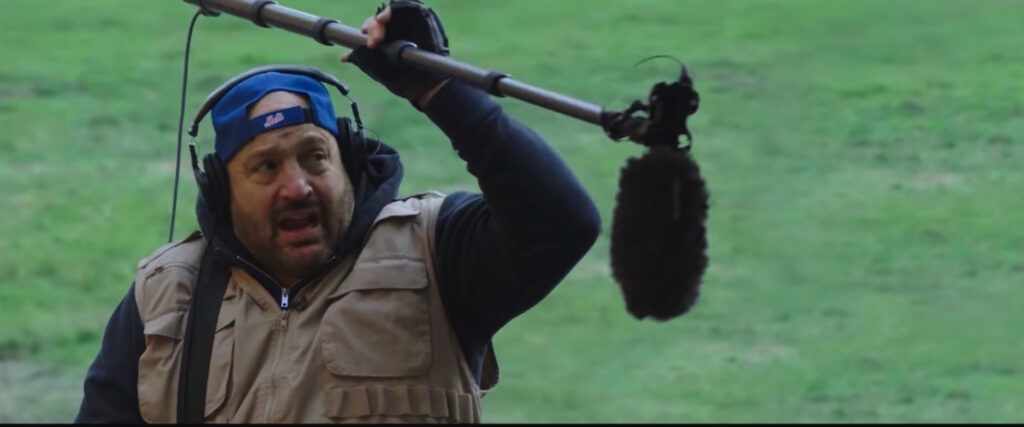
Very few people what to be this guy on set
Your phones Built-In Microphone maybe should not Be Your Final Audio
The microphone built into your iPhone or Android is a tiny, sometimes cheap, and often an omnidirectional afterthought. It picks up everything: the wind, your heavy breathing, and that one guy leaf-blowing three blocks away. In the industry, this is called “scratch audio”. Its only job is to provide a reference track so you can sync your real audio later. If you rely on it for your final dialogue, you’re basically telling your audience you don’t like them. 🙂
The Secret to Clean Signal: Preamp Discipline
A preamp is like a megaphone for a whisper; it boosts a weak signal to a usable level. The preamps inside smartphones are notoriously noisy.
-
The Pro Tip: If you’re using a wireless receiver like a rode wireless go plugged into your phone, boost the signal on the receiver first.
-
Sending a strong, clean signal to your phone prevents the phone’s internal electronics from adding a layer of “hiss” to your actor’s dramatic monologue.
- Wireless mics like this are great if you are shooting talking head documentaries but they don’t always lend themselves to narrative filmmaking. They can be hidden in the scene if you are inventive enough.
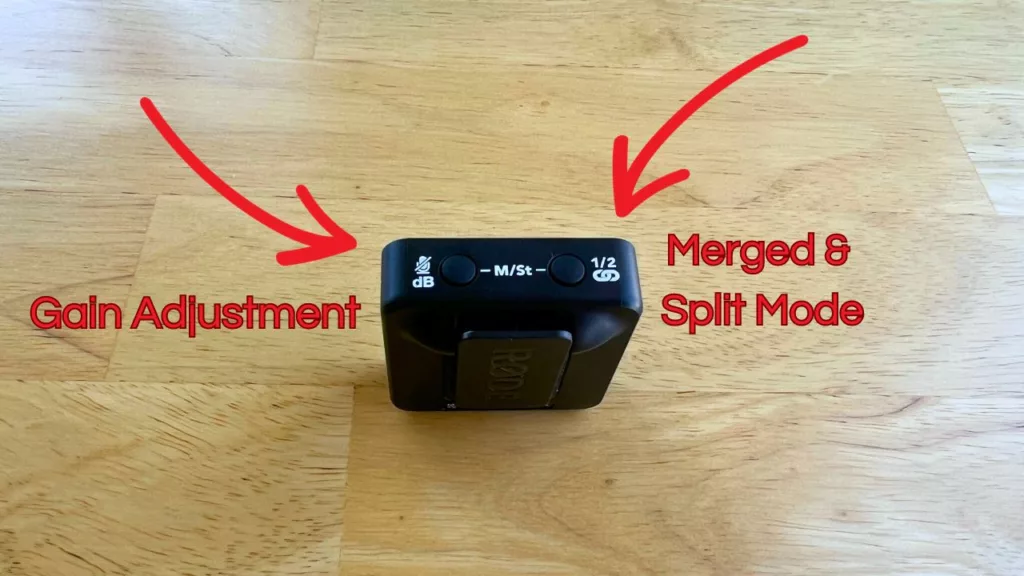
Rode Wireless go Gain Adjustment
Why You Might Need a Field Recorder
If you want that “podcast-rich” sound, get the audio off the phone entirely. A dedicated field recorder (like a Zoom H1) is designed for one thing: high-quality sound. It offers:
-
Better Preamps: Cleaner, stronger signals.
-
32-bit Float: This is a lifesaver for DIY sets. It has a massive dynamic range that lets you recover “clipped” audio that would otherwise be distorted and unusable.
Get the Mic Out of the Sky (and Closer to the Mouth)
The single most important factor for clean audio is proximity. Move the mic off the phone and as close to the source as possible.
- The Boom Pole: A shotgun mic on a boom pole is the gold standard for dialogue. It captures a natural sound with “off-axis rejection” meaning it ignores the noise coming from the sides.
-
Lavaliers: Great for wide shots where a boom would be visible, though they can sometimes feel a bit less “organic” than a boom.

The DIY Audio Toolkit Checklist
-
Microphone: A shotgun mic for dialogue or a lavalier for wide shots.
-
External Recorder: Even your old phone running a recording app is better than the “camera” phone.
-
DIY Boom Pole: Don’t have the cash? Tape your mic to an old light stand or a broom handle.
-
Power Bank: Field recorders eat batteries. Use a rechargeable pack to keep the “phantom power” flowing for days.
-
Wind Protection: If you’re shooting outside, get a “dead cat” (that furry windshield) unless you want your film to sound like a hurricane.
Let’s not forget the elephant in the room. AI is here and it’s not going anywhere. So now fix it in post has a whole new meaning. There are great tools out there like Audiophonic that we have often used here at the festival if a mic stopped working. It helps but it never sounds perfect, get it on the day and your life in the edit will be so much easier. Remember capturing great sound comes down to practicing these core principles. Stop obsessing over your lens filters for five minutes and look at your levels.
Looking for advice on the best low-fi audio equipment to get for your phone, we can help you find a budget-friendly option if you’re stuck! Just sign up to our newsletter. Equipment info, once a month, no AI and we also give away free stuff.
Click on the link here